Crucial Considerations for Successful External Digital Display Deployment
Wiki Article
Outdoor digital displays has steadily become an messaging solution used by organizations, public agencies, and organizations focused on enhanced visibility alongside up-to-date messaging. Different from internal displays, outdoor electronic systems are designed to remain effective consistently under fluctuating weather-related factors and maintaining high-quality on-screen clarity. Every effective implementation relies upon thorough planning efforts, technical accuracy, as well as an evaluation regarding environmental constraints. Elements for example location review, outdoor stress, as well as technical support collectively affect system performance. Addressing these key considerations from the outset helps minimize repair issues while delivers sustained system consistency.
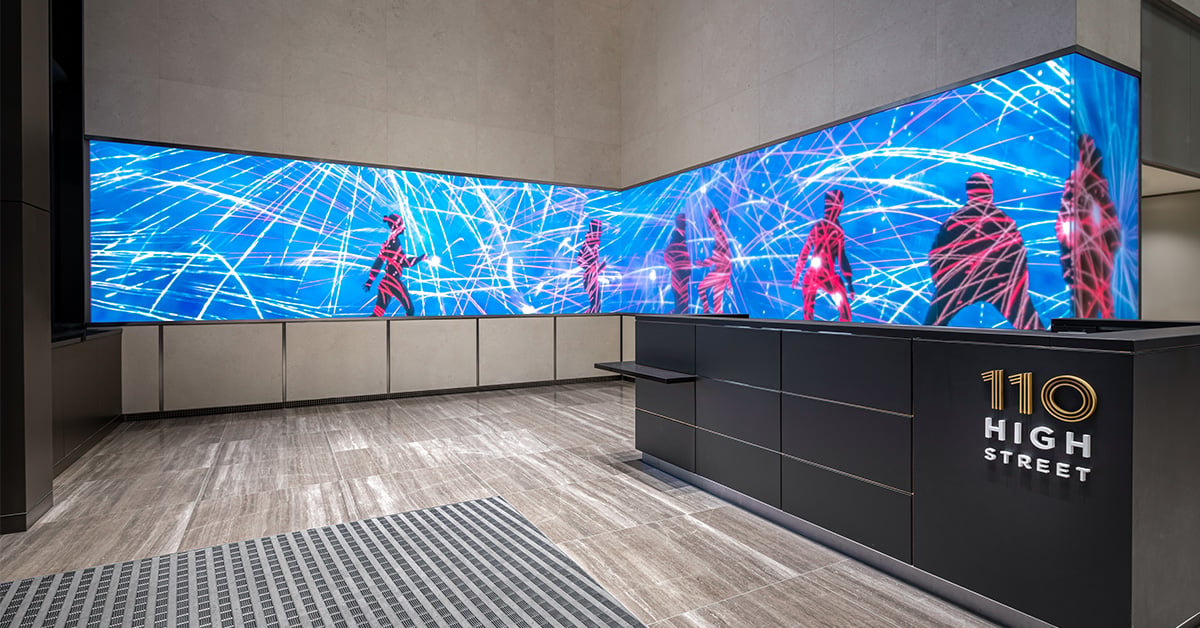
One factors related to external networked display deployment remains placement selection as well as audience visibility. The positioning for digital display must match with walkway movement, traffic visibility, plus audience distance range. Screen format, pixel density, along with brightness levels are required to suit the area in order to deliver on-screen content stays easy to read across direct solar conditions as well as nighttime environments. Glare reduction, audience viewing angles, along with nearby architecture further shape audience engagement. Thorough site preparation supports successful communication delivery while ensuring alignment to regional zoning as well special info as signage requirements.
Outdoor protection continues to be another key important consideration of outdoor smart display installations. Screens should get redirected here remain housed within protective enclosures designed to resist water exposure, particulates, condensation, as well as temperature extremes. Correct dust and water sealing specifications, air circulation mechanisms, along with thermal management components work to reduce overheating along with system wear. Mounting stability continues to be likewise important, since mounting fixtures is required to withstand wind forces along with movement across long timeframes. These combined defensive actions maximize system useful life while also decrease the risk of operational downtime.
Electrical plus data frameworks perform a function within reliable networked visual platform output. Exterior projects call for secure electrical power delivery, electrical grounding systems, along with electrical surge protection to guard against potential energy spikes. Network reliability, either fiber-based or networks, is required to support continuous content transmission for display changes plus software monitoring. Network wiring routing as well as conduit placement must meet industry codes to safeguard from common environmental degradation and weather stress. Reliable infrastructure engineering ensures uninterrupted content output and effective network operation.
Visual content planning as well as upkeep scheduling round out a successful outdoor smart display deployment. Messages is expected to be carefully formatted with rapid comprehension, by applying proper font proportions, color contrast, along with dynamic limits appropriate for outdoor viewing conditions. Regular upkeep procedures, involving system revisions, hardware inspections, and cleaning, are intended to ensure display readability and system reliability. System oversight systems are able to flag anomalies in advance along with facilitate planned repairs. When technical implementation and content oversight are aligned, exterior networked visual signage becomes a long-term as well as high-impact information system.